Source garden speaker for Home Theatre, Stage, and Airport Use
Compare 30 garden speaker models from Guangzhou suppliers offering passive floorstanding designs for home theatre, stage, and airport applications. Buyers can review specifications like power ratings, frequency response, and certifications including CE and RoHS to find suitable options.
Key considerations
Products List




Comprehensive Sourcing Guide
Strategic Sourcing Guide for Outdoor Garden Speaker Systems
Understanding the Product Category and Structural Variants
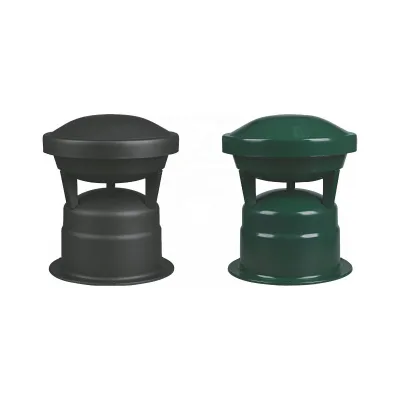
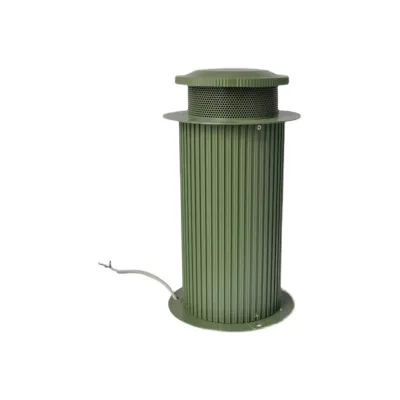
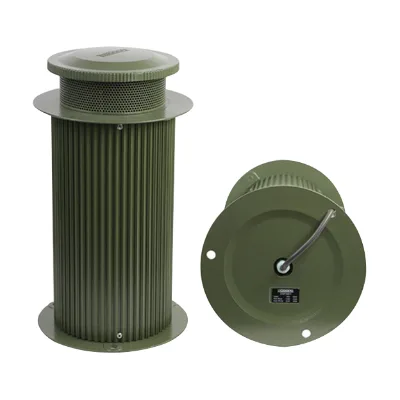
When sourcing garden speakers, buyers must first distinguish between the specific structural configurations available in the global market. The core product category often includes floorstanding speaker units designed for durability and outdoor deployment. These units are typically characterized by a robust physical structure that can withstand environmental stressors while delivering consistent audio performance. In the current supply landscape, floorstanding speakers are a dominant configuration, often featuring a vertical orientation that allows for efficient placement in garden beds, along pathways, or near outdoor entertainment zones.
The structural integrity of these units is paramount. Sourcing data indicates that enclosure materials vary significantly, with options ranging from high-grade plastics to specialized fiberglass composites. Plastic enclosures are common for cost-effective solutions, offering a balance between weight and resistance to moisture. However, for applications requiring higher durability against extreme weather or physical impact, fiberglass and ABS (Acrylonitrile Butadiene Styrene) materials are preferred. The choice of material directly influences the net weight of the unit, which can range from approximately 1.1 kg for lighter models to 3 kg for heavier, more robust units. This weight variance is a critical factor for buyers considering installation logistics, particularly for ground-fix installations where the speaker must remain stable against wind or accidental contact.
Furthermore, the physical dimensions of the speakers must align with the intended installation space. Standardized product sizes often adhere to specific metric measurements, such as 112195400mm or similar compact footprints, ensuring they fit discreetly into garden landscapes without dominating the visual aesthetic. Buyers should verify that the product size matches their spatial constraints before committing to an order, as custom dimensions may impact lead times and shipping costs. The installation method is another structural consideration; many units are designed for ground fixation, requiring specific mounting hardware or a stable base to ensure the speaker remains upright and secure.
Technical Specifications and Performance Metrics
Evaluating the technical specifications of garden speakers requires a deep dive into power handling, frequency response, and sensitivity ratings. These metrics determine the acoustic performance and suitability for various environments. Power ratings in the current market vary widely, with observed ranges spanning from low-power 15W to high-output 120W units. For garden applications, a 20W to 30W rating is often sufficient for ambient background music, while larger outdoor events or commercial spaces may require 120W systems to ensure adequate coverage. It is essential to note that power ratings can be specified at different voltages, such as 100V systems, which are common in distributed audio setups for commercial properties like hotels, airports, and large venues.
Frequency response is another critical specification that defines the clarity and range of the audio output. Typical units in this category offer a frequency response range of 100Hz to 18kHz or 100Hz to 16kHz. This range ensures that the speakers can reproduce both deep bass notes and high-frequency details, which is vital for a rich listening experience in open-air environments. Sensitivity ratings, often measured in decibels (dB), indicate how efficiently the speaker converts power into sound. A sensitivity of 88dB±3 is a common benchmark, while high-performance models may achieve up to 95dB at 1W/1m. This metric is particularly important for buyers aiming to minimize amplifier requirements while maintaining high volume levels.
The signal-to-noise ratio (SNR) is a key indicator of audio clarity, with observed values typically falling between 81dB and 90dB. A higher SNR ensures that background hiss is minimized, resulting in cleaner sound reproduction. Additionally, the maximum sound pressure level (SPL) is a crucial metric for outdoor use, where ambient noise can be significant. Units capable of reaching 110dB at 1 meter provide the necessary headroom to cut through wind, traffic, and crowd noise. Buyers should also consider the speaker configuration, such as the inclusion of a 4.5-inch full-range driver, which offers a versatile solution for both music and voice reproduction.
Compliance, Certification, and Safety Standards
In the global B2B market, compliance with international safety and environmental standards is non-negotiable. Sourcing garden speakers requires verification of specific certifications that validate the product's safety and environmental impact. The most prevalent certifications observed in the supply chain include CE, FCC, RoHS, and CB. The CE mark indicates conformity with health, safety, and environmental protection standards for products sold within the European Economic Area. FCC certification is essential for electronic devices sold in the United States, ensuring that the product does not emit harmful levels of radio frequency interference. RoHS compliance confirms that the product is manufactured without restricted hazardous substances, a critical requirement for environmental sustainability.
The CB certification scheme provides a global framework for testing and certification of electrical equipment, facilitating easier market access in multiple countries. Buyers should ensure that the supplier provides valid certificates for these standards, as they are often prerequisites for importing goods into regulated markets. Additionally, some suppliers may adhere to CCC (China Compulsory Certification) standards, which are mandatory for products sold within China. The presence of these certifications on the product documentation or the unit itself serves as a primary indicator of quality and regulatory compliance.
Safety features are also integral to the design of garden speakers. Protection mechanisms against high temperatures, overloads, and short circuits are standard in reputable models. These features prevent damage to the speaker and the connected audio system, ensuring long-term reliability. When evaluating suppliers, buyers should request detailed test reports or compliance documentation that explicitly references these protection mechanisms. It is important to note that while certifications are a strong indicator of quality, they should be verified against the specific batch of products being purchased to avoid discrepancies between marketing claims and actual product attributes.
Cost Drivers and Procurement Economics
The cost of garden speakers is influenced by a complex interplay of factors, including material composition, power rating, certification status, and order volume. The observed price range in the market spans from $1 to $1,382, reflecting the vast diversity in product quality and specifications. Lower-priced units typically feature plastic enclosures, lower power ratings, and basic certification levels, making them suitable for residential or small-scale commercial applications. In contrast, higher-priced models often incorporate advanced materials like fiberglass or ABS, offer higher power outputs, and include comprehensive global certifications.
Minimum Order Quantity (MOQ) is another significant cost driver. The market observes MOQs ranging from 1 unit to 500 units. Buyers with smaller budget constraints or those testing the market may find suppliers with low MOQs attractive, allowing for flexible inventory management. However, larger orders often benefit from economies of scale, resulting in a lower unit cost. It is crucial for buyers to negotiate MOQ terms that align with their cash flow and storage capabilities. Additionally, the lead time for delivery, which can vary from 2 to 25 days, impacts the overall procurement timeline and associated logistics costs. Suppliers with shorter lead times may charge a premium for expedited production, while those with longer lead times might offer more competitive pricing.
Packaging and shipping costs also play a role in the total cost of ownership. Products are typically packed in cartons, with options for gift boxes, export cartons, or palletized shipments for bulk orders. The choice of packaging affects the shipping volume and weight, which directly influences freight charges. Buyers should consider the destination and the required packaging standards to optimize shipping expenses. Furthermore, the factory's ability to offer OEM (Original Equipment Manufacturer) and ODM (Original Design Manufacturer) services can impact costs. Customization options, such as branding or specific design modifications, may incur additional fees but can enhance the product's marketability.
Typical Applications and Usage Scenarios
Garden speakers are versatile audio solutions designed for a wide array of applications, ranging from residential use to large-scale commercial installations. In residential settings, these speakers are commonly integrated into home theatre systems, providing immersive audio for outdoor entertainment areas. They are also suitable for use with portable players and computers, allowing users to enjoy music in their gardens or patios. The compact size and robust construction make them ideal for placement near pools, in garden beds, or on balconies.
In the commercial sector, the applications expand significantly. Garden speakers are frequently deployed in hotels, schools, airports, and churches to provide background music or public address announcements. Their ability to withstand outdoor conditions makes them suitable for use in lobbies, courtyards, and outdoor event spaces. For karaoke enthusiasts, these speakers offer high-quality sound reproduction, enhancing the overall experience in outdoor venues. The versatility of the product is further highlighted by its compatibility with various audio sources, including TV systems and stage/DJ setups.
The specific usage scenario dictates the required technical specifications. For instance, a hotel courtyard may require speakers with a moderate power rating and a wide frequency response to ensure clear speech and music reproduction. In contrast, a stage/DJ setup might demand higher power output and maximum SPL capabilities to handle dynamic audio content. Buyers should carefully assess their specific use case to select the appropriate model, ensuring that the speaker's capabilities align with the acoustic demands of the environment.
Supplier Evaluation and Quality Assurance
Selecting the right supplier is a critical step in the procurement process. Buyers should prioritize suppliers with a proven track record, such as those with a factory history of more than 10 years. This longevity often indicates stability, experience, and a commitment to quality. The supplier's location, such as Guangzhou, China, is a common hub for audio equipment manufacturing, offering access to a robust supply chain and skilled labor. However, buyers should verify the specific factory capabilities, including their ability to handle OEM and ODM orders, to ensure they can meet custom requirements.
Quality control is another essential aspect of supplier evaluation. Buyers should inquire about the supplier's quality assurance processes, including in-house testing and third-party inspections. The presence of a warranty, such as a 3-year warranty, is a strong indicator of the supplier's confidence in their product's durability. Additionally, buyers should request samples to verify the build quality, material finish, and acoustic performance before placing a large order. The supplier's responsiveness to inquiries and their ability to provide detailed product documentation are also important factors to consider.
When evaluating suppliers, buyers should also check for consistency in product attributes. For example, the product model numbers, such as LCP-918, LCP-910, and LCP-912, should be clearly defined and consistent across different batches. Discrepancies in specifications or model numbers may indicate quality control issues. Furthermore, buyers should verify the supplier's ability to meet delivery timelines, as delays can disrupt project schedules. A reliable supplier will have a well-defined logistics network and the capacity to handle orders of varying sizes efficiently.
Long-Term Procurement Considerations and Sustainability
Long-term procurement of garden speakers involves more than just the initial purchase; it requires a strategic approach to inventory management, maintenance, and sustainability. Buyers should consider the lifecycle of the product, including the availability of replacement parts and the ease of maintenance. A 3-year warranty provides a safety net, but buyers should also assess the supplier's policy on post-warranty support and repair services. Ensuring that the supplier can provide technical support and spare parts is crucial for maintaining the operational integrity of the audio system over time.
Sustainability is increasingly becoming a priority in B2B procurement. Buyers should evaluate the environmental impact of the products, looking for suppliers who adhere to RoHS standards and use eco-friendly materials. The use of recyclable packaging materials, such as cardboard cartons, can also contribute to a more sustainable supply chain. Additionally, buyers should consider the energy efficiency of the speakers, particularly in terms of power consumption and amplifier compatibility. Selecting products that minimize energy waste can reduce operational costs and align with corporate sustainability goals.
Finally, buyers should plan for scalability. As business needs evolve, the demand for garden speakers may increase, requiring additional units or upgrades. A supplier with a flexible production capacity and a diverse product range can accommodate these changes without compromising on quality or delivery times. By building a long-term relationship with a reliable supplier, buyers can ensure a steady supply of high-quality garden speakers that meet their evolving needs. This strategic approach not only mitigates risks but also enhances the overall value proposition of the procurement process.
FAQs
What certifications do these garden speakers have?
These speakers carry CE, FCC, RoHS, and CB certifications. They also meet CCC standards for the Chinese market. Buyers should verify specific batch certificates to ensure compliance with local regulations before importing.
How much does a garden speaker cost?
Prices range from 1 to 1382 USD depending on the model and specifications. Lower costs typically reflect plastic enclosures and basic power ratings, while higher prices cover fiberglass materials and advanced features. Volume discounts may apply for larger orders.
Can I customize the speaker design or branding?
Yes, customization is available through OEM and ODM services. The factory has over ten years of experience handling custom requests. Buyers can request specific branding or design modifications to align with their brand identity.
What is the lead time for delivery?
Delivery time ranges from 2 to 25 days based on order volume and production schedules. Buyers should confirm specific timelines during negotiation as lead times vary by model. Expedited options may incur additional costs.
Which models are suitable for outdoor installation?
Models like LCP-918 and LCP-910 are designed for floorstanding and ground fixation. They feature protection against high temperatures and short circuits. These units are suitable for hotels, schools, and outdoor events.
What is the minimum order quantity required?
The minimum order quantity ranges from 1 to 500 units depending on the supplier and product. Smaller orders allow for market testing, while larger orders often benefit from economies of scale. Buyers should negotiate MOQ terms based on their budget.
Where are these speakers manufactured?
All products originate from Guangzhou, Guangdong, China. This location is a major hub for audio equipment manufacturing with a robust supply chain. Buyers can expect consistent quality and access to skilled labor from this region.